
YouTube has become the world’s second-largest search engine and the go-to platform for research-driven decisions. With over 2.7 billion monthly active users and continued growth projected through 2028, the platform influences everything from product purchases to major life decisions.
For creators and businesses across the country, a well-optimized YouTube channel offers something paid ads simply can’t: long-term discoverability, authentic trust-building, and a library of content that works around the clock.
Why YouTube growth matters for your brand:
Stronger brand authority through educational and engaging video content
More qualified leads from viewers who already understand your value
Long-term discoverability in both YouTube search and Google search results
Lower customer acquisition cost over time compared to paid advertising
Video content makes complex topics more accessible and builds trust before any direct interaction happens.
This article walks through 15 specific, up-to-date strategies for organic YouTube growth—no bots, no fake subscribers, just proven tactics that work.

1. Understand YouTube’s Algorithm and Watch Time
YouTube’s recommendation system continues to prioritize three core signals: click through rate, audience retention, and total watch time. More than 70% of views still come from recommendations rather than direct searches, which means the algorithm essentially decides whether your videos get seen.
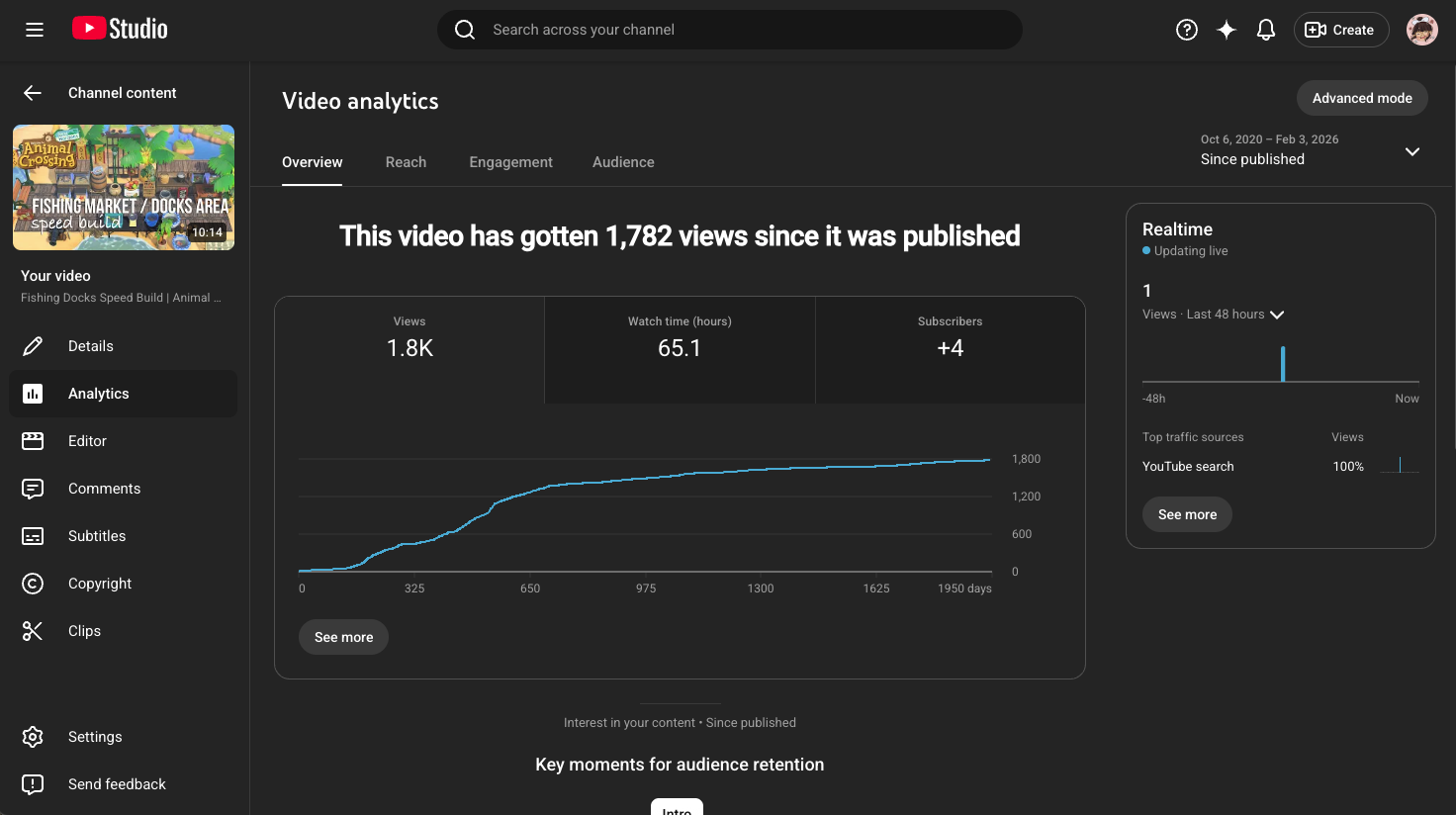
Here’s the key concept to understand:
Session watch time measures how long viewers stay on YouTube after watching your video. If your content leads people to watch more videos (yours or others), YouTube rewards you with more recommendations.
This is why creating bingeable content matters. For example, creators can build playlists that keep viewers watching multiple related videos—each video naturally leading to the next.
Tips to optimize for YouTube’s algorithm:
Hook viewers in the first 5-15 seconds with a clear promise of value
Cut fluff from intros—get to the point quickly
Deliver on your video title’s promise early to signal quality
Create content that naturally leads to other videos on your channel
Aim for audience retention above 50% for most videos
2. Build Videos Around a Single, Research-Backed Keyword
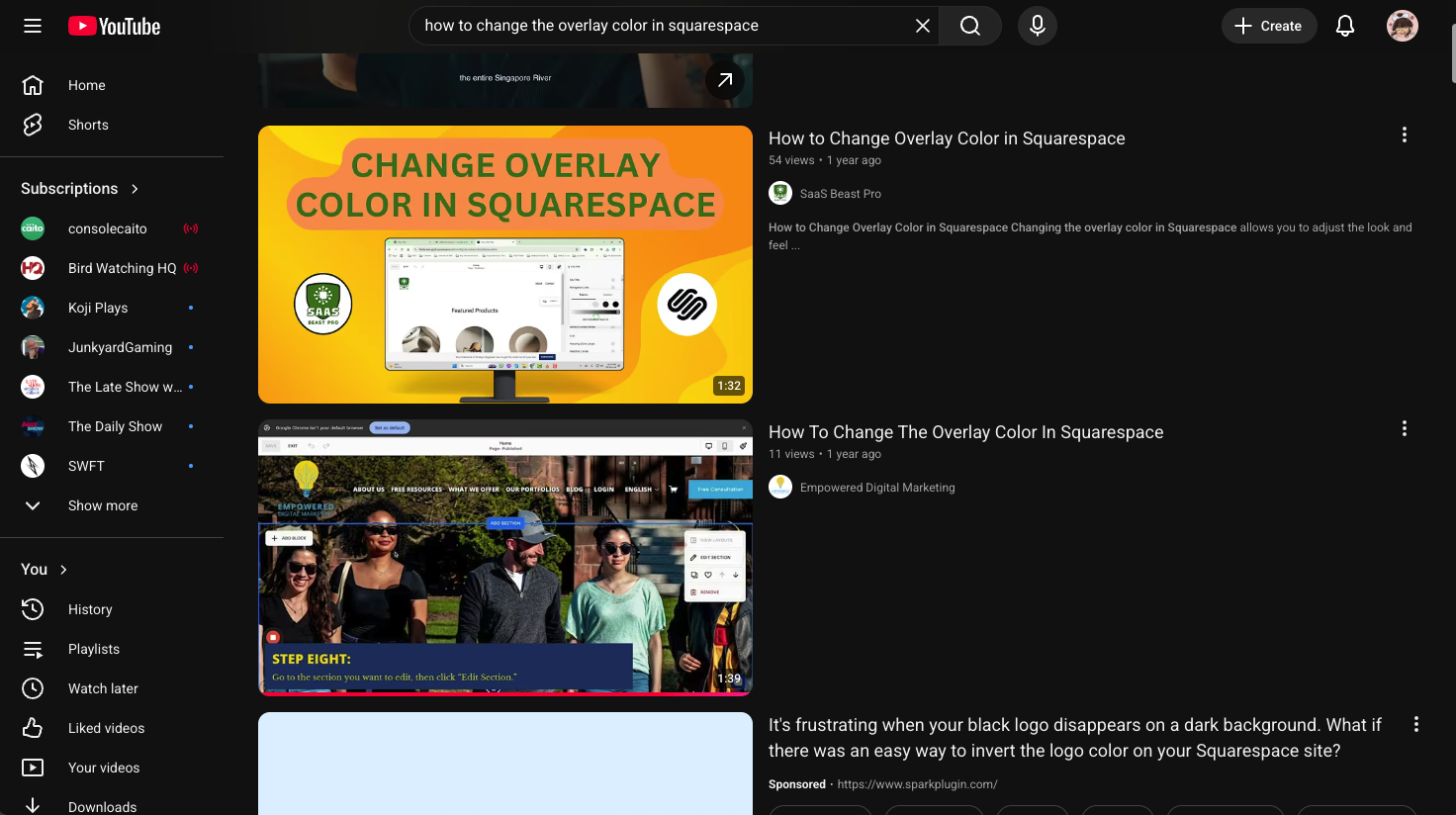
One of the biggest mistakes YouTube creators make is trying to cover too many topics in a single video. Each piece of video content should target one main keyword or topic—this improves both YouTube and Google discoverability.
How to research keywords for your next video:
Start with a seed keyword related to your niche and expand into long-tail variations using tools like:
Longer, more specific phrases often have less competition and higher intent.
Where to place your primary keyword:
Video title: Front-load the keyword in first 60 characters
Description: Include in first 150 characters for snippets
Tags: Use exact match plus variations
Spoken content: Say the keyword naturally 2-3 times
The same keyword research that drives your YouTube videos can also inspire blog posts and social clips for cross-promotion, creating a content ecosystem where each piece supports the others.
3. Plan Your Content: Short vs. Long Videos (and YouTube Shorts)
Not all videos serve the same purpose. Understanding when to create short-form versus long-form videos is critical for sustainable YouTube growth.
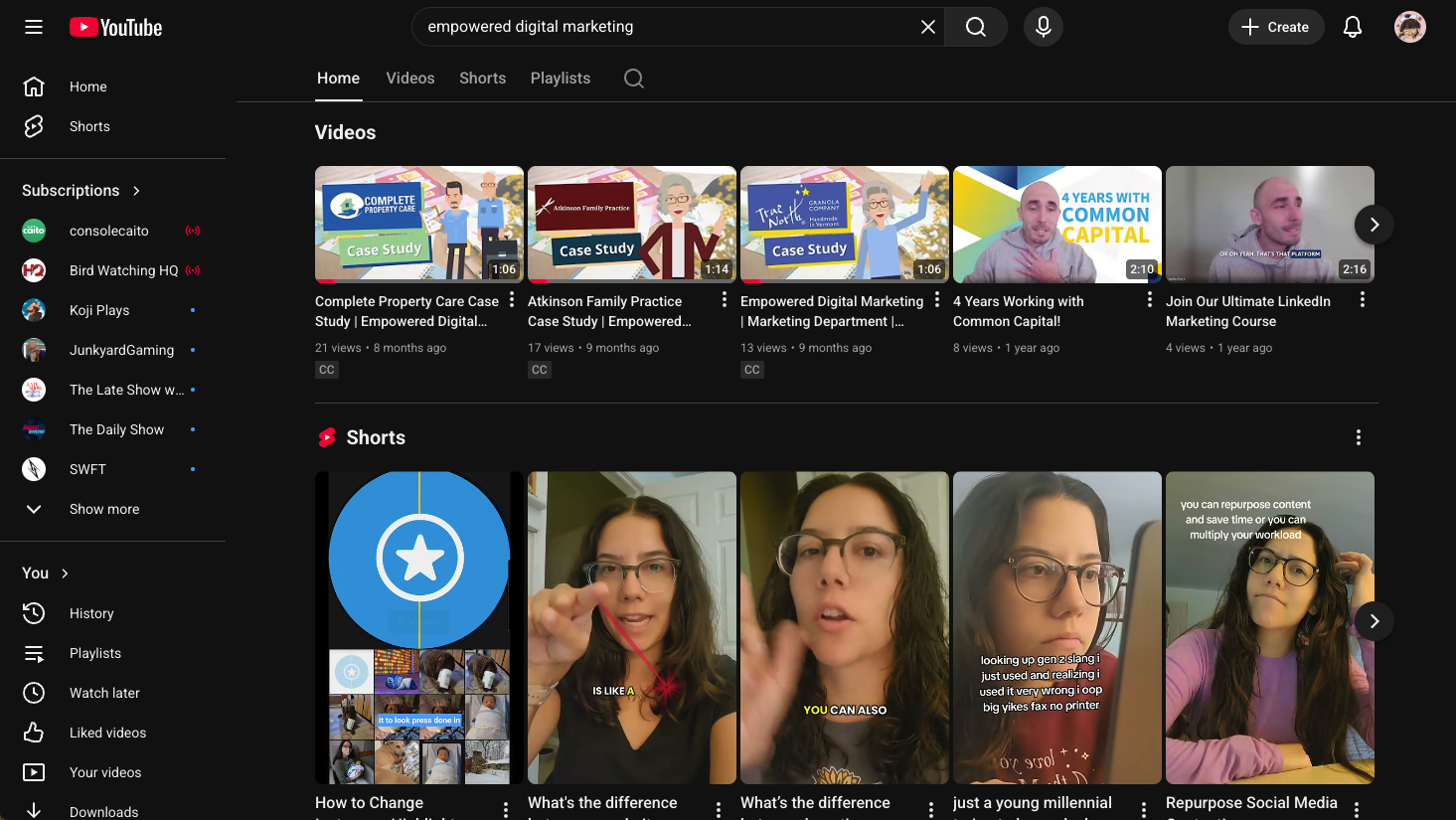
Short-form content (Shorts and quick tips):
YouTube Shorts (under 60 seconds) reached 2 billion monthly users by 2023
Viewers complete 90%+ of Shorts versus 40-50% for longer videos
Bite-sized videos (16 seconds to 2 minutes) often achieve higher completion rates
Shorts can expose your channel to new viewers who haven’t discovered your main content
Long-form content (10+ minutes):
Generates more total watch time per video
Enables mid-roll ad placement for monetization
Ideal for in-depth education or storytelling
Builds deeper authority and trust with your target audience
Recommended content mix:
Post at least one Short per week to capture new viewers, plus one longer, search-optimized video for depth. Then use YouTube analytics to analyze retention graphs and see where people watch or drop off.
4. Optimize Every Video for Clicks: Titles, Thumbnails, and End Screens
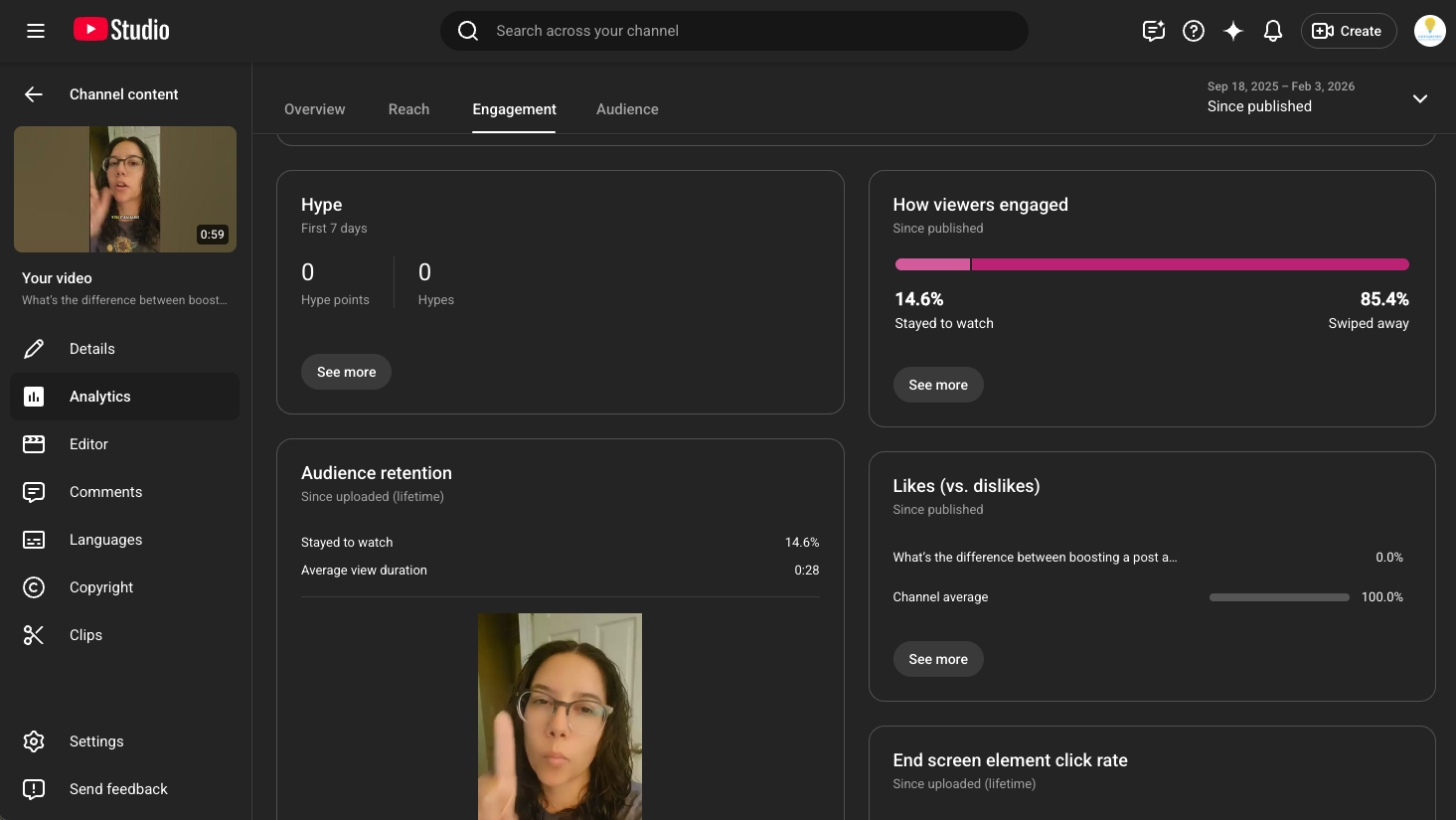
Click through rate and retention are the two levers you can actually control. If people don’t click, they never see your content. If they click but leave quickly, the algorithm stops recommending you.
Titles That Drive More Clicks
Use clear, benefit-driven titles with your main keyword front-loaded. Avoid pure clickbait—it tanks retention when you don’t deliver.
Thumbnails That Stand Out
Custom thumbnails increase CTR from 2-5% (auto-generated) to 8-12%—and thumbnails dictate about 70% of click decisions in crowded feeds.
Thumbnail best practices:
Use high-contrast colors (avoid heavy red/white/black that blend with YouTube’s UI)
Include readable text (3-5 words maximum)
Feature close-up faces with expressive eyes
Keep compositions simple and uncluttered
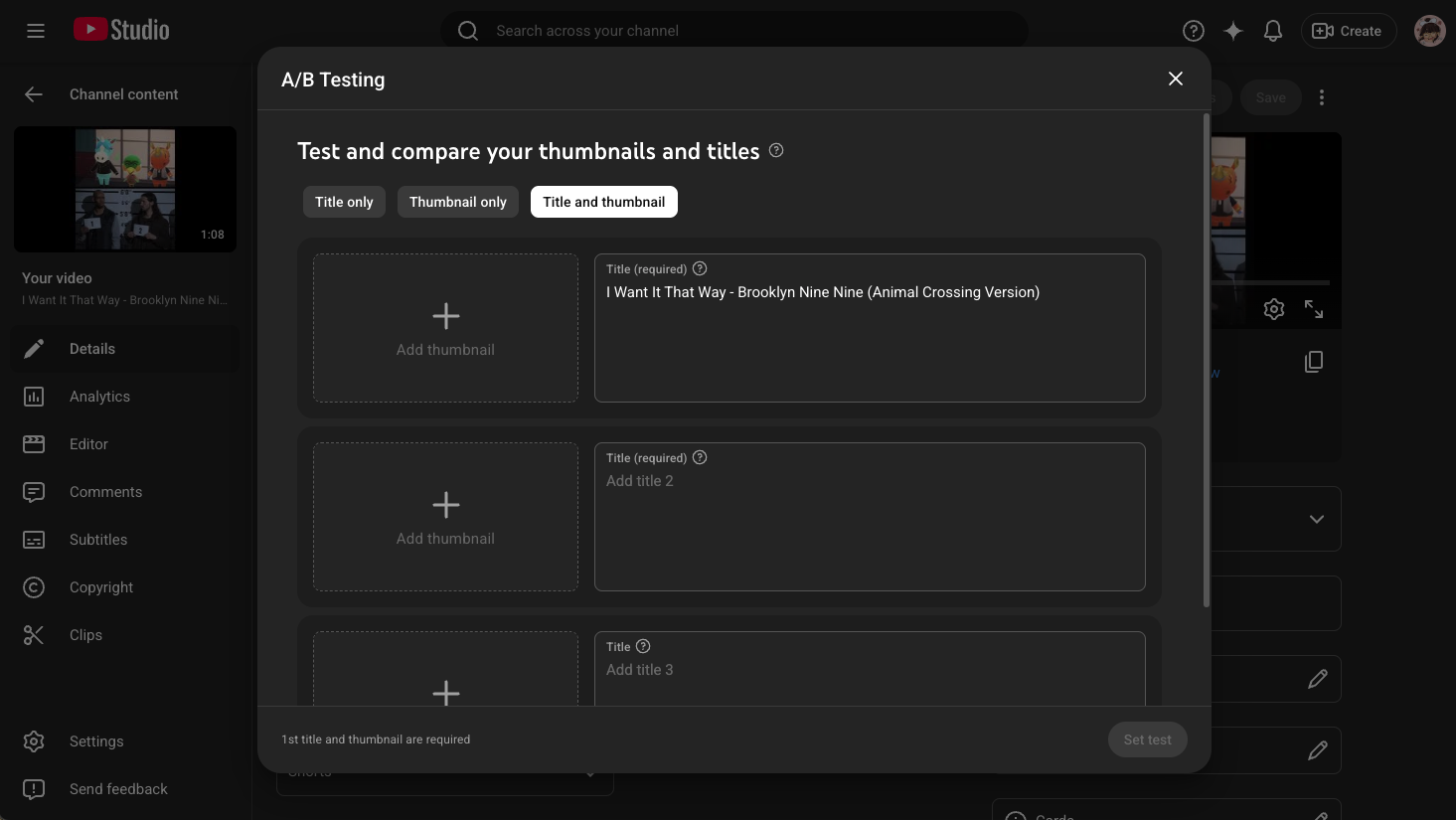
Use YouTube Studio’s A/B thumbnail testing to optimize
End Screens That Keep Viewers Watching
Add 2-4 clickable elements in the final 20 seconds of videos over 3 minutes long:
Next video recommendation
Playlist link
Subscribe button
Channel link
End screens encourage viewers to keep watching and help increase session watch time.
5. Use Tags, Descriptions, and Captions Strategically
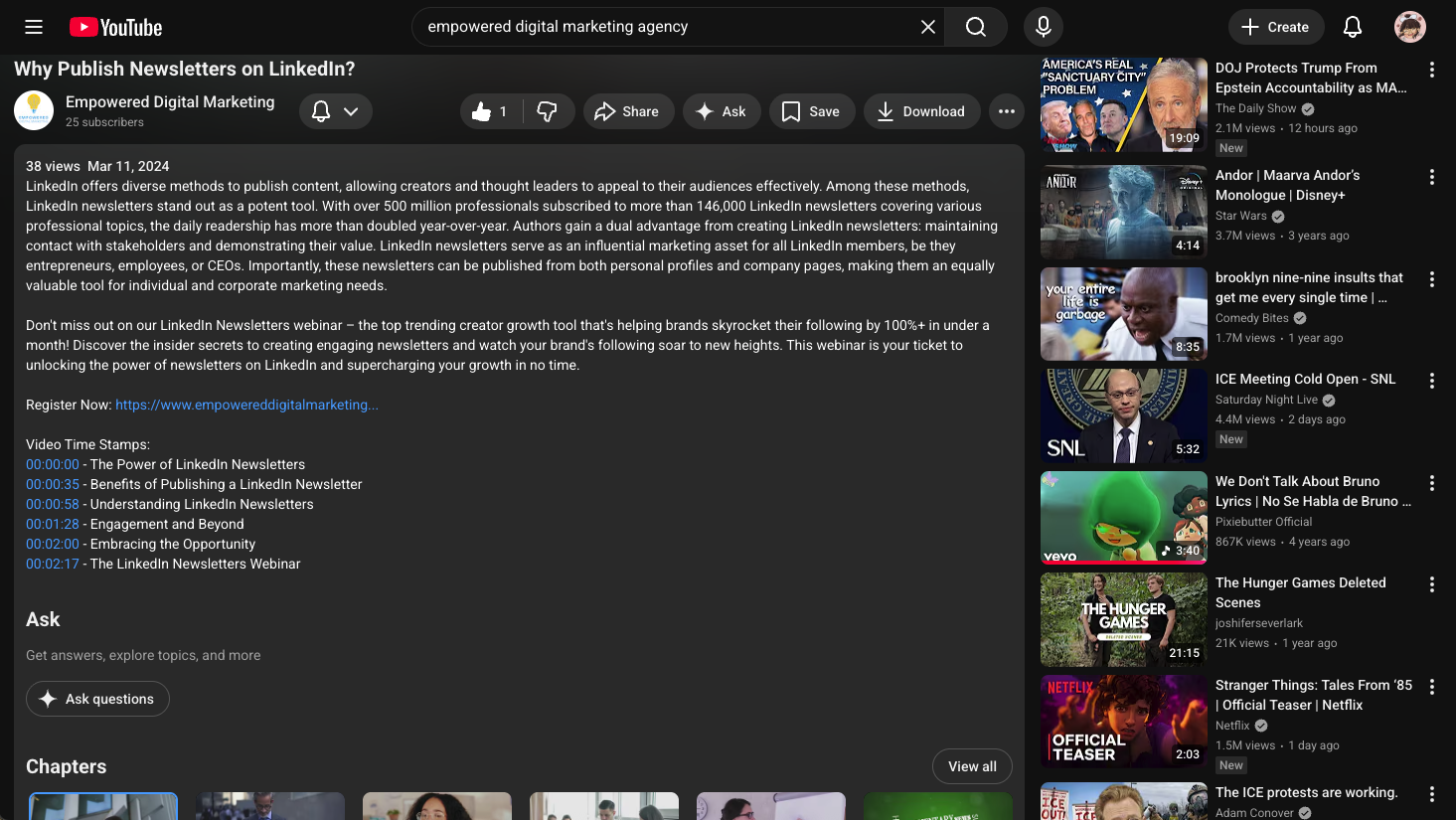
Metadata doesn’t “hack” the algorithm, but it helps YouTube understand and correctly categorize your content—which improves your chances of appearing in search results and recommendations.
Tags (up to 500 characters):
Use most of your character limit
Mix exact-match phrases with related topics
Include branded tags like your channel name
Add location-based tags if relevant
Descriptions (2-3 keyword-rich paragraphs):
Write detailed descriptions with your primary keyword in the first 100-150 characters
Add a scannable list of key points covered
Include links to your website, lead magnets, and social channels
Add chapter timestamps for longer videos to improve user experience
Multilingual captions:
YouTube supports 80+ languages, and 83% of popular channel content is non-English. Adding manual captions in English plus translated versions can expand your reach and improve accessibility.
6. Design Your Channel to Be Bingeable and On-Brand
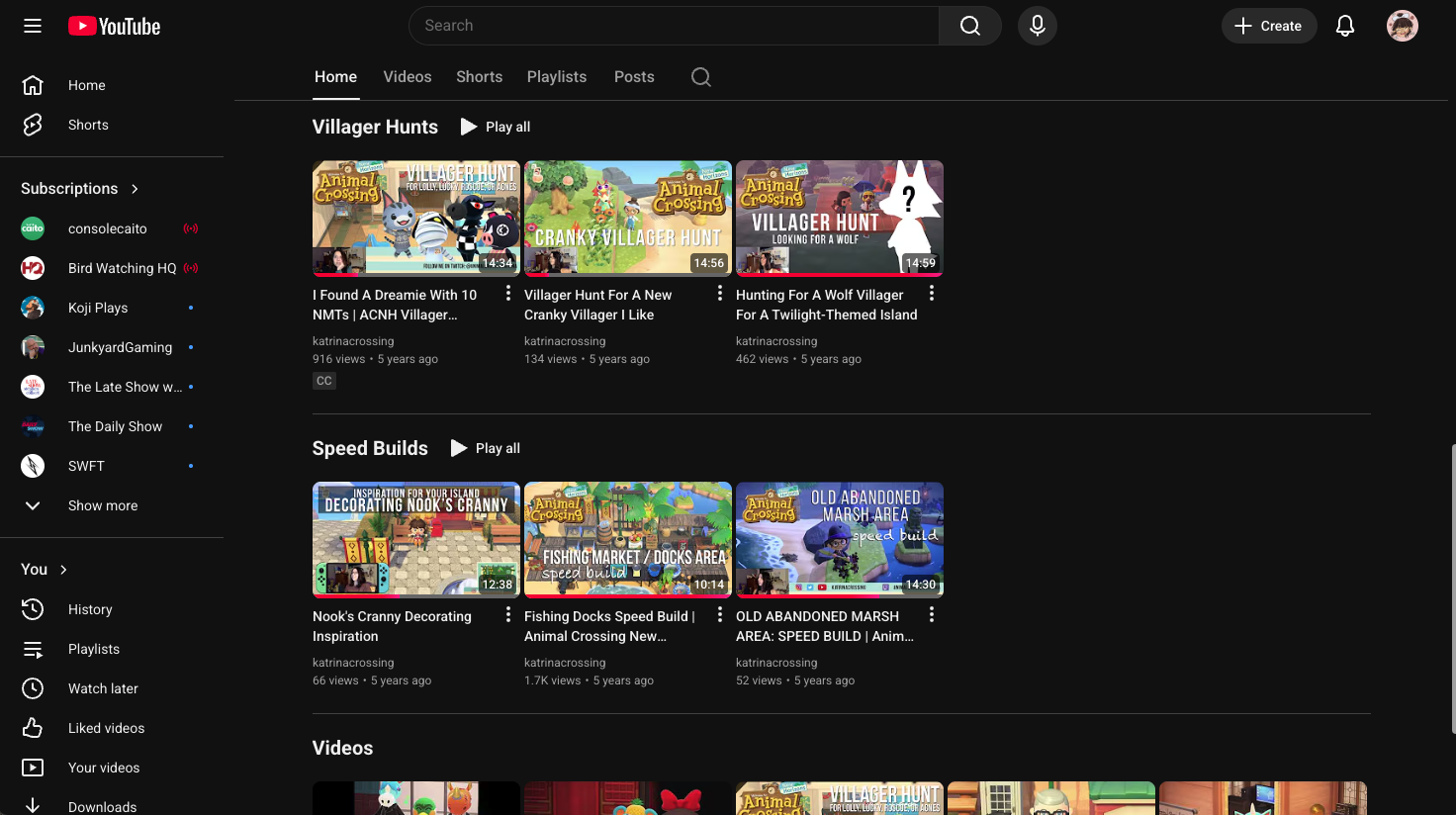
Your YouTube channel homepage should look like a curated “mini Netflix” for your niche—not a random dump of unrelated videos.
Branding consistency:
Match your YouTube banner, avatar, and colors to your website or brand identity
Use clean, professional visuals that reflect your niche
Playlists that guide viewers:
Group videos into clear series so new visitors immediately find what they need. Playlists can increase session watch time by 50-100% because the algorithm auto-plays them sequentially.
About tab optimization:
Include your mission statement, relevant keywords, and a strong call to action with a link to your website or landing page.
7. Engage With Your Audience and Build Community
YouTube is still a social media platform, and comments, likes, and shares send strong engagement signals to the algorithm.
Specific engagement tactics:
Ask a question at the end of each video to prompt comments
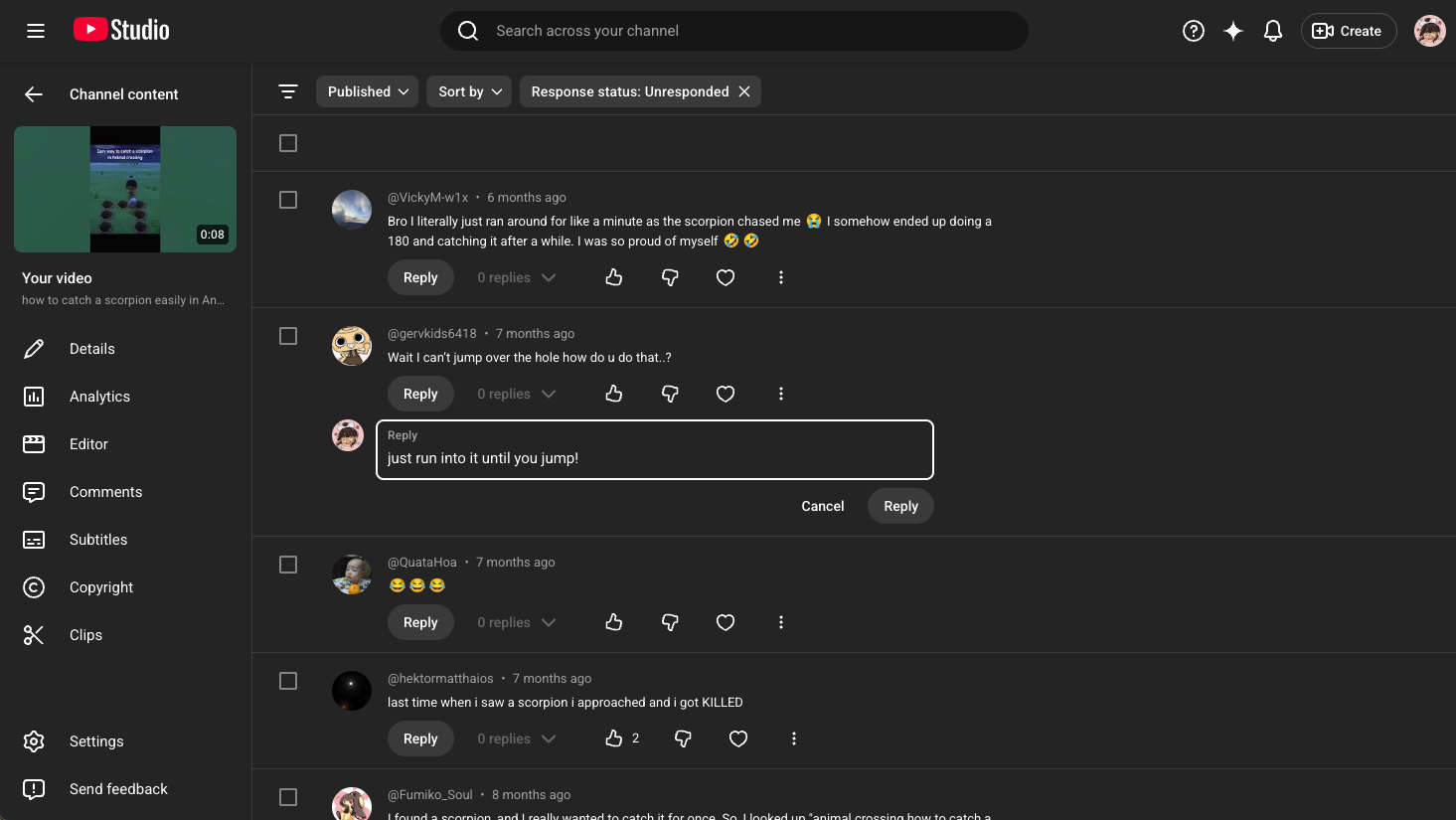
Reply thoughtfully to early comments within the first 24 hours
Pin a helpful or clarifying comment to the top of each video
Heart and respond to questions to encourage more interaction
Use the Community tab:
Post polls, images, and text updates between video uploads to keep your audience engaged.
Building community pays off:
Thank viewers regularly, encourage shares, and feature viewer questions in future videos to deepen loyalty and drive repeat watch time.
8. Leverage YouTube Shorts and New AI Features
YouTube Shorts now generate tens of billions of daily views and can expose your channel to viewers who haven’t discovered your long-form content yet.
Best practices for creating effective Shorts:
Use vertical format (9:16 aspect ratio)
Keep length between 9-60 seconds
Hook viewers in the first 2 seconds
Add bold on-screen text for clarity
Focus on one clear idea per clip
YouTube’s AI tools for creators:
YouTube has rolled out experimental AI features including conversational search, AI Overviews, and an “Inspiration” tool for video ideas. External AI tools like ChatGPT can help with brainstorming, outlining, keyword research, and writing drafts.
9. Cross-Promote on Other Social Channels and Your Website
YouTube content performs best when supported by a broader marketing ecosystem.
Promote across social media platforms:
Share video links with native captions on Facebook
Post Reels teasers linking to full videos on Instagram
Share professional insights on LinkedIn
Repurpose Shorts with platform-specific tweaks on TikTok
Create video pins for evergreen tutorials on Pinterest
Embed videos on your website:
Add YouTube videos to relevant blog posts and landing pages to boost watch time and SEO.
Email newsletter integration:
Include YouTube links in newsletters to turn subscribers into video viewers and vice versa.
10. Be the Face of Your Brand and Tell Real Stories
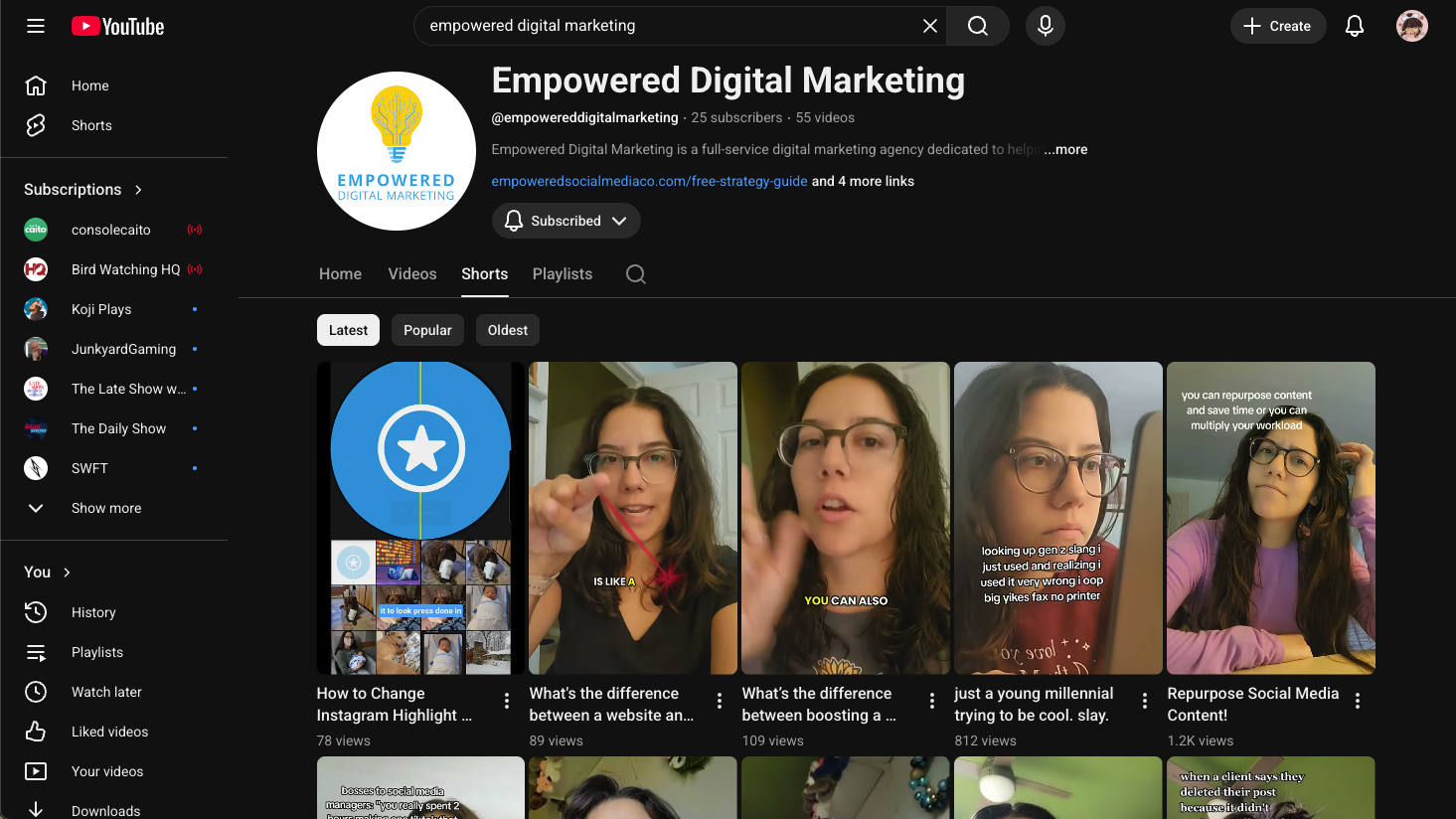
Channels that show a consistent human face build stronger parasocial relationships and loyalty.
Put a face to your brand:
Feature yourself or team members on-camera to build trust and connection.
Tell real customer stories:
Use specific details and testimonials to build credibility.
Create behind-the-scenes content:
Share site walkthroughs, installation time-lapses, interviews, or day-in-the-life videos to humanize your brand.
11. Post Consistently and Use Data to Choose Your Schedule
Most channels grow faster when posting at least once per week on predictable days and times. Consistency matters more than volume.
Use data to pick your schedule:
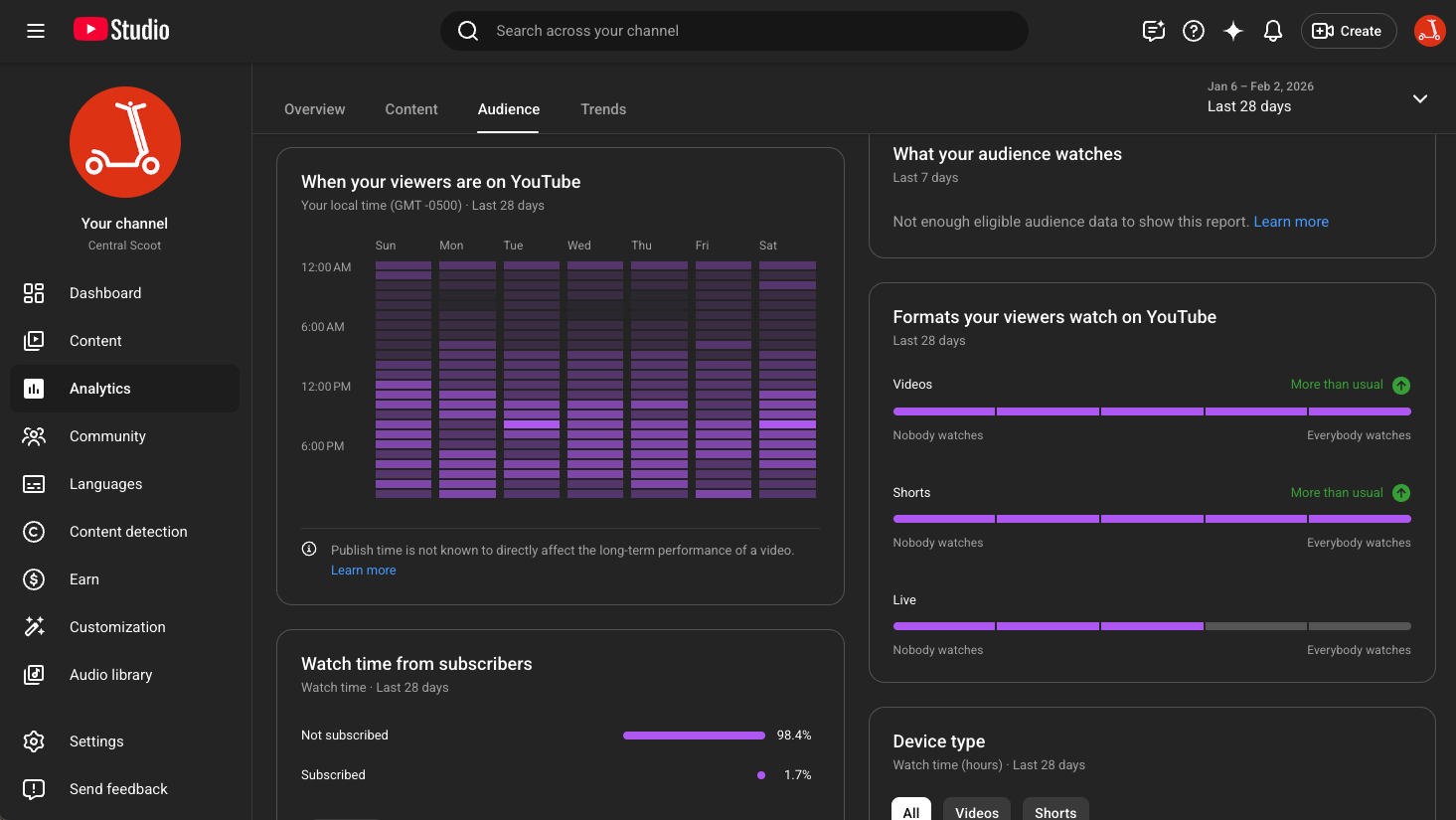
Use YouTube analytics to find “When your viewers are on YouTube” and stick to those publishing windows.
Batch your production:
Record multiple videos in one session and schedule releases to maintain consistency and reduce stress.
12. Track the Right Metrics (Not Just Views)
Meaningful YouTube growth is measured by watch time, retention, and conversions—not vanity metrics alone.
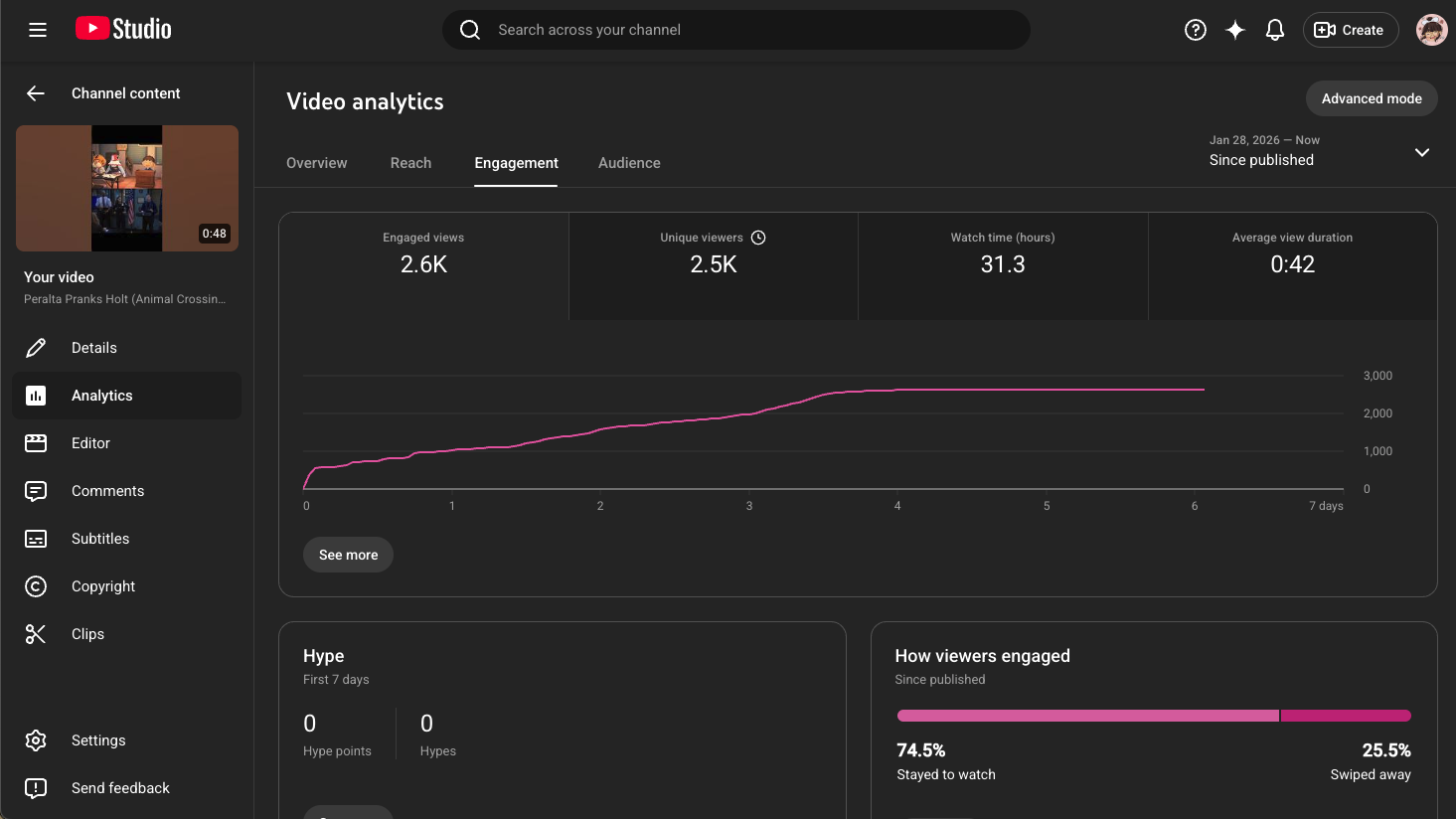
Key metrics to monitor:
Average view duration: How engaging your content is
Audience retention curve: Where people watch or drop off
Click through rate: How compelling your titles/thumbnails are
Subscriber growth per video: Which content converts viewers to subscribers
Traffic sources: Where your views come from (search, suggested, external)
Tie metrics to your business goals and review performance regularly to refine your strategy.
13. Use Playlists, Cards, and Timestamps to Boost Watch Time
Structuring viewing paths ensures one good video leads naturally to more, increasing session duration and algorithm favor.
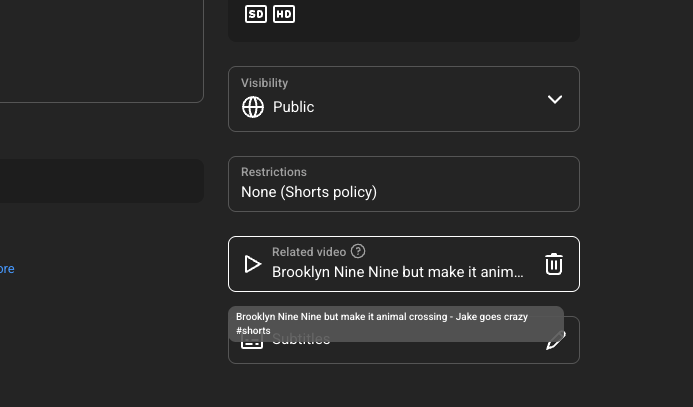
Playlists:
Group videos by topic and viewer intent, featuring them prominently on your channel homepage.
Info cards:
Add up to five cards per video at natural breaks to point viewers to related videos, playlists, or your website.
Timestamps and chapters:
Break longer videos into segments to improve user experience and enable “key moments” in search results.
14. Organic Growth Only: Avoid Shortcuts That Hurt Your Channel
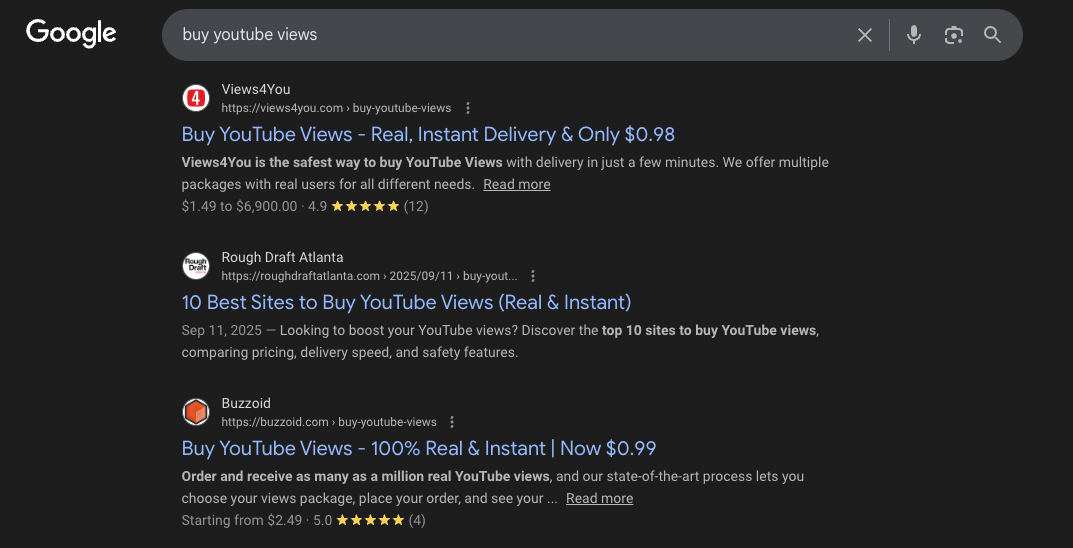
Buying views, purchasing subscribers, or using spammy tactics will damage your channel’s long-term potential.
Real YouTube growth takes time—often 6-18 months for smaller channels—but compounds as your content library and authority grow.
Safe accelerators that work:
Collaborate with complementary creators or brands
Appear as a guest on relevant podcasts and repurpose clips
Cross-promote with non-competing businesses
Create content from industry events and trends
Focus on delivering genuine value to your target audience to build sustainable growth.
15. Turn YouTube Views into Real-World Leads and Customers
The ultimate goal isn’t just views—it’s conversions.
Include specific calls to action:
Tell viewers exactly what to do next in every video and description.
Create dedicated landing pages:
Build pages tailored for YouTube traffic with clear messaging, easy forms, and trust signals.
Use YouTube as a sales tool:
Curate playlists that pre-educate leads and shorten sales cycles.
Conclusion: Your YouTube Growth Roadmap
Sustainable YouTube growth comes down to fundamentals: understand YouTube’s algorithm, create keyword-focused video content, optimize for CTR and watch time, post consistently, and treat your channel as a long-term business asset.
Your next steps:
Choose 3-4 strategies from this article to implement over the next 90 days
Don’t try to do everything at once—focus creates momentum
Track your progress in YouTube analytics and adjust based on data
Build a content library that compounds in value over time
With steady uploads, data-driven optimization, and genuine value for your audience, channels of any size can grow on YouTube without paying for fake engagement. The platform rewards creators who help viewers—and that’s a strategy that never goes out of style.
